Why specifications matter more in textiles
Bed and bath textiles look similar in photos and differ a lot in the hand. Price differences between offers often come from a lighter fabric, a shorter fibre or a simpler finish, not from a better factory. If you send each supplier the same written specification, you compare the same product.
Bed linen: fibre and yarn
- Fibre. 100 % cotton, cotton-polyester blends, linen, or viscose. Blends are cheaper and crease less; pure cotton breathes better and is easier to sell at a higher price.
- Combed or carded cotton. Combing removes short fibres, so the yarn is smoother and pills less. Ask which one is used.
- Yarn count. Finer yarns allow a denser, softer fabric. The factory should state it, for example 40s or 60s.
- Single or multi-ply. Twisting two thin yarns into one ply can double the stated thread count without improving the fabric. Ask for single-ply thread count.
Thread count and weave
Thread count is the number of warp and weft threads in one square inch. It is useful only together with the weave and the yarn.
| Fabric | Weave | Character | Typical use |
|---|---|---|---|
| Percale | Plain, one over one | Matt, crisp, cool | Hotels, classic bedding |
| Sateen | Satin weave, more threads on the surface | Smooth, slight sheen, heavier drape | Premium retail bedding |
| Renforcé | Plain, medium density | Durable, everyday | Volume ranges |
| Flannel | Brushed surface | Warm, soft | Winter ranges |
| Stonewashed linen | Plain | Textured, relaxed look | Concept stores, spring ranges |
| Jacquard | Pattern woven in | Tone-on-tone patterns | Gift and premium sets |
Finish and colour
Ask how the fabric is dyed or printed. Reactive dyeing and pigment printing behave differently in washing. Colour fastness and pilling should be stated per supplier data and confirmed on the sample; we do not promise them beyond that. For dark colours, wash the sample with a white towel before you approve it.
Shrinkage and sizes
Cotton shrinks. A pre-shrunk or sanforised fabric shrinks less, but still a little. Ask for the dimensional change after washing in the supplier's test, and measure your own sample after three washes. If a duvet cover shrinks below the duvet size, it comes back.
Bed sizes differ across Europe. The table shows common examples; check the sizes your customers actually use before you order.
| Market | Common duvet sizes (cm) | Common pillow sizes (cm) |
|---|---|---|
| Germany, Austria, Switzerland | 135 × 200, 155 × 220, 200 × 200 | 80 × 80, 40 × 80 |
| Poland | 140 × 200, 160 × 200, 200 × 220 | 70 × 80, 50 × 60 |
| France | 140 × 200, 220 × 240, 240 × 260 | 65 × 65, 50 × 70 |
| Netherlands | 140 × 200, 200 × 200, 240 × 200 | 60 × 70 |
| Italy, Spain | Often sold by bed width | 50 × 80; long pillows common in Spain |
Towels: gsm and construction
Towel weight is given in grams per square metre (gsm). It says how much cotton is in the towel, not how good it is, but it is the best single number to compare offers.
- Light, about 300–400 gsm. Gym, guest and kitchen towels. Dry quickly.
- Medium, about 450–550 gsm. Everyday retail and many hotels.
- Heavy, 600 gsm and more. Premium bath sheets and spa ranges. Slower to dry.
Construction matters as much as weight:
- Terry loops. Ring-spun, combed or zero-twist yarns give different softness and absorbency.
- Waffle weave. Lighter and flat, popular in concept stores and for kitchen towels.
- Border and hem. A woven dobby border and a double-stitched hem show quality on the shelf.
- Hanging loop. Small detail, often requested by hotels and short-let hosts.
Comforters, quilts and bathrobes
Filled products and robes need a few more lines in the specification.
- Comforters and quilts. Shell fabric and thread count, filling type and fill weight in grams per square metre, and the quilting pattern. The quilting holds the filling in place after washing. State the filling on the label: polyester fibre, microfibre filling made of polyester, or natural fillings with the required wording.
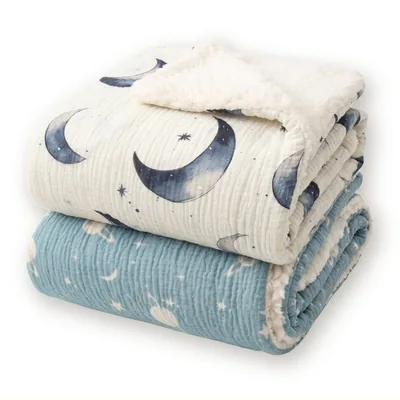
- Bedspreads. Face fabric, filling, size and whether it is reversible.
- Bathrobes. Fabric type (terry, waffle, velour), gsm, size range and size chart, collar style, belt loops and pockets. Hotels often ask for one size or two sizes only.
Hotel and short-let textiles
Hospitality buyers wash at higher temperatures and more often than households. They usually prefer white or one neutral colour, percale for bed linen, medium-weight towels that dry quickly, and the same item over several years so that replacements match. Ask for the factory's industrial-wash data where it exists, and test a sample over many wash cycles before a large order. Keep the approved sample as a reference for repeat orders.
What to put in the specification
- Fibre composition in percent, and combed or carded.
- Yarn count and ply.
- Thread count (single-ply) and weave for bed linen, gsm and construction for towels.
- Colour reference and dyeing or printing method.
- Finished sizes with tolerance, and dimensional change after washing.
- Closure: buttons, zip or envelope, and pillowcase style.
- Labels: fibre composition in each language, care symbols, GPSR data and EAN.
- Packing: PVC-free bag or fabric pouch, insert card, carton quantity.
Fibre labels must follow the Textile Labelling Regulation; our guides explain the details, and our quality page lists the documents we request. Browse the bed and bath textiles category or see how we supply hotels and interior projects.