What a capsule is
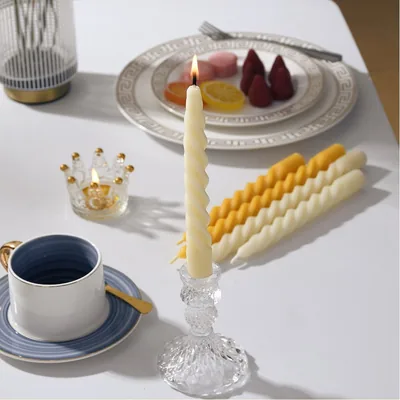
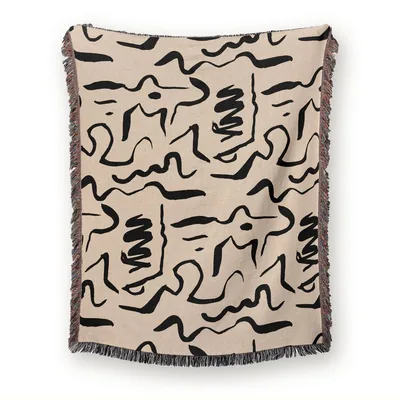
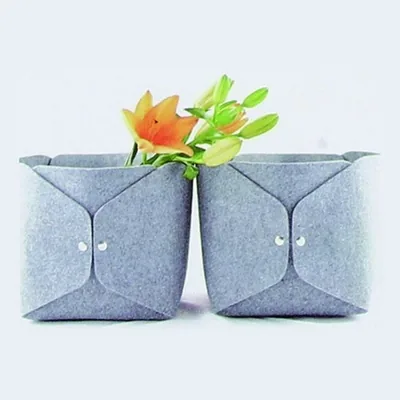
A capsule is a small, coordinated range for one season or one display: perhaps eight to twenty-five items in one colour story. A typical autumn capsule might include scented candles in jars, pillar candles, a lantern, two cushion covers, a knitted throw, a stoneware vase, a set of mugs and a table runner, all in rust, sand and cream.
The point is not the individual product but the combination. Customers buy two or three items instead of one, and the display looks planned rather than collected.
Step 1: fix the date and the space
Start with the in-store date and the space you will fill: a window, a front table, a gondola end or an online collection page. That decides how many items you need and in what depth. Then count back the lead times. Our seasonal collections page shows how we plan backwards from the shop-floor date.
Step 2: build the colour story
Choose three to five colours: one or two main colours, a neutral and an accent. Define them as physical references, not words. "Terracotta" means something different to a ceramic factory, a weaving mill and a candle maker.
- Use a pantone or similar reference for textiles and printed packaging.
- Send physical swatches or a reference object for glazes.
- Agree a tolerance: reactive glazes and natural fibres never match exactly, and that can be part of the look.
Step 3: write a range plan
A range plan is a simple table: product, material, colour, size, target retail price, quantity and supplier. It shows gaps and duplicates at a glance.
| Role | Example products | Why it matters |
|---|---|---|
| Entry price | Tealights, coasters, napkins | Impulse purchases and add-ons |
| Core | Scented candles, cushion covers, mugs | Most of the volume |
| Statement | Floor vase, large throw, lantern | Draws the eye in the display |
| Gift | Boxed candle, mug set, small vase with stems | Higher margin, ready to give |
Step 4: match materials across factories
Each category comes from a different kind of factory. Matching colour across them is the hardest part of a capsule.
- Ceramics and stoneware. Glaze colour depends on the clay body and the firing. Expect one or two sample rounds for a custom glaze.
- Textiles. Lab dips show the dyed colour before bulk. Knitted, woven and velvet fabrics show the same colour differently.
- Candles. Wax colour is easy to adjust, but the scent should fit the colour story too: woody and spiced for autumn, fresh and green for spring.
- Glass. Tinted glass, such as amber or smoke, has limited shades. Choose the glass first and match the rest to it.
- Artificial flowers. Stems and foliage come in fixed colour ranges. They are a quick way to bring the accent colour into a vase display.
Photograph all approved samples together in daylight. If they do not look like one range in the photo, they will not look like one on the shelf.
Step 5: one shipment, one date
The slowest item sets the date. A custom glaze or a printed gift box may take weeks longer than a standard cushion cover. Plan the critical items first and schedule the simple ones to finish at the same time. Consolidating all items into one shipment to our warehouse in Poland means one customs clearance and one delivery to your store or warehouse.
As a guide, plan about 8–12 weeks from order to warehouse for catalogue items, plus sampling time for custom colours. Freight to Poland takes about 25–45 days by rail or sea.
Example capsules by season
These are illustrations of how categories combine, not fixed sets.
- Spring table. Linen tablecloth and napkins, stoneware plates in a pale glaze, clear wine glasses, glass bud vases with artificial stems, taper candles in a soft green.
- Summer terrace. Tumblers and a glass jug, a serving tray, jute placemats, a lantern for tealights, outdoor seat cushions in sand and white.
- Autumn living room. Waffle or knitted throw, two cushion covers, soy candles in amber glass, a ceramic floor vase with dried-look stems, a jute basket.
- Winter and Christmas table. Porcelain plates with a gold rim, flutes, pillar candles, candlesticks, a velvet runner. Keep strong red and green to the small items and the textiles that sell quickly.
- Bedroom refresh. Sateen bed linen, a bedspread, a bouclé cushion, a framed print set and a small mirror.
A capsule can also be built around a single hero product, such as a new glaze or a signature scent, with the rest of the range chosen to frame it.
Step 6: packaging and display
Coordinated packaging helps the capsule read as one range: the same box style, the same label layout, the same colour band. Private label boxes start from 300 pieces per model. For smaller quantities, a neutral box with a printed sticker or a band is a cost-effective alternative. See our private label page for the options.
Step 7: plan the end of season
Decide in advance what happens after the season. Neutral items, such as cream throws, clear glass and white candles, can move into the core range. Strong seasonal colours should be sold through. Avoid buying a statement colour deep in categories with a long shelf life, such as furniture or rugs, unless you are sure it will carry into the next season.
Capsules for small shops
Concept stores and gift shops often want a capsule but not the depth. Through us you can mix categories in one order at the supplier minimums shown on each product page, and keep custom work to one or two key items. Our page for concept stores and gift shops describes small-batch orders.